This video is very well worth the ten minutes plus.
.
Jesus is the Word of God
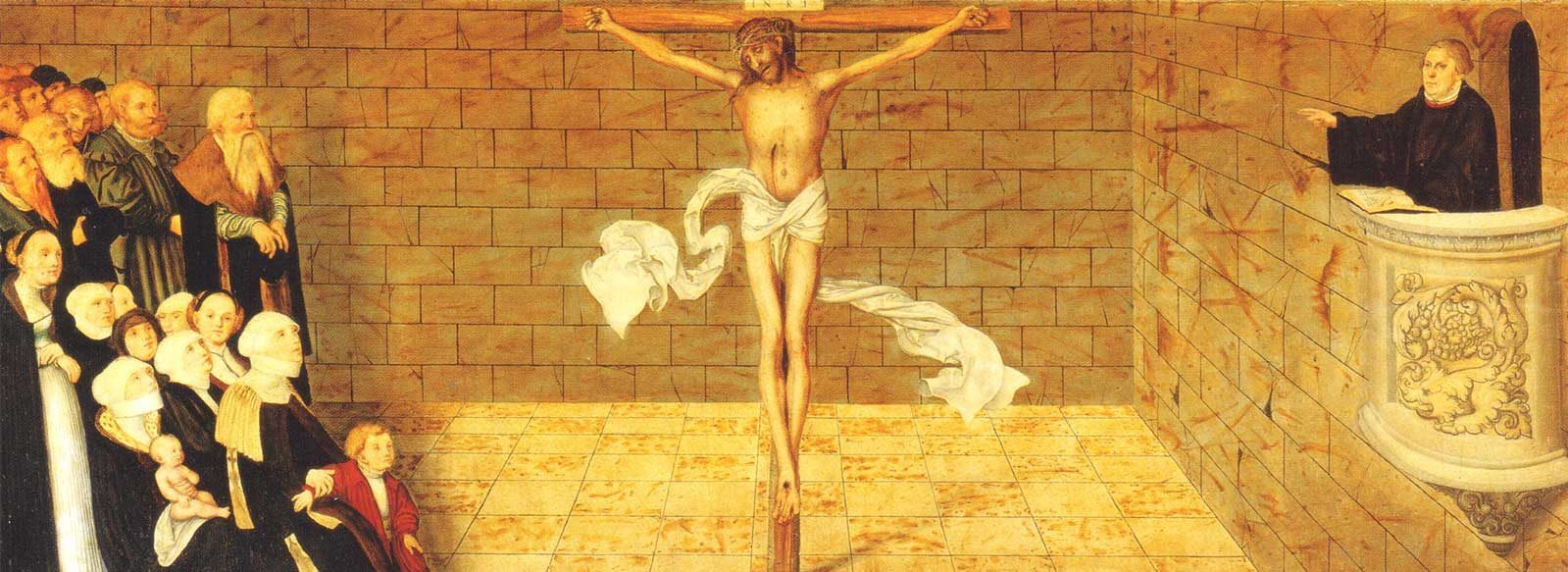
From Peter Leithart
The Word became flesh. He assumed everything that flesh is heir to - all our weakness, all our sorrow, all our sickness and shatteredness, all our godforsakenness, He took to Himself.
But not merely to identify or sympathize. He took it to Himself to overcome it. He goes to the cross as flesh, and rises Spirit. He assumed flesh in order to fill it with the power of the Spirit.
But - what is absolutely crucial - we still live life in flesh - still broken, sorrowful, weak, shattered. Jesus died and rose not so we can instantly slough off fleshliness, but so that our fleshliness can be transformed from within by the Spirit. So that weakness can be the form of power, brokenness the form of wholiness, forsakenness the form of intimacy.
.
This looks great. A free download of Participatio: The Journal of the Thomas F. Torrance Theological Fellowship.
Essays: 'The Practical Theology of TFT' by Ray Anderson,
'TFT and the search for a viable natural theology' by Alister McGrath,
'The centrality of the Trinity in the theology of TFT' by Paul Molnar.
And more...
.
Richard's done some better trinity diagrams here. They pick out the economic action much better than a neat triangle.
Though independently done, they're pretty similar to a diagram I use in a trinity powerpoint presentation. Here's the final slide:

By the way - if anyone's downloaded my Men's Breakfast talk on the Trinity and prayer and you still have the audio file, could you email it to me, I seem to have lost it.
Cheers.
.

Christocentrist has done a wonderful job of summarizing Edwards' views on the justifying faith of OT saints.
Here are some highlights of the highlights...
I. The person that in Jeremiah 2:2 and in many other places is spoken of as espousing that people Israel to himself, and that went before them in the wilderness, and brought ‘em into Canaan, and dwelt amongst them in the Holy of Holies in the tabernacle and temple, was the Son of God, as is most manifest by that, that he is often called the “angel of the Lord,” “the angel of God’s presence,” “the messenger of the covenant,” etc.
II. It was plainly and fully revealed to the church of Israel that this person was a different person from him in heaven that sustained the dignity and maintained the rights of the Godhead, and acted as first and head and chief in the affairs of God’s kingdom; and that this person, that had espoused the church of Israel to himself and dwelt amongst them as their spiritual husband, acted under him as a messenger from him. And as this was sufficiently revealed to that people, so the church of Israel all along understood it.
....
V. The church of Israel had it plainly signified to ‘em that God, the first person in the deity, had committed them to the care and charge of this angel of his presence, that he had set him over them to be in a peculiar manner their protector, guide and Savior, and head of their communication and supplies, and God’s people trusted in him as such.
VI. The people of Israel could not but understand that this person was transcendently dear to God, i.e. to the first person in the deity.
VII. The saints in Israel looked on this person as their Mediator, through whom they had acceptance with God in heaven and the forgiveness of their sins, and trusted in him as such.
...
X. God’s saints in Israel supposed that the Messiah, when he came, or the angel of the covenant, when he should come to dwell amongst men in the human nature, would make an end of their sins and wholly abolish the guilt of then by an atonement which he should make; and that the guilt of their sins, though removed from them and as it were laid upon that divine person who dwelt on the propitiatory in the temple, and was by him taken on himself, yet would not properly [be] abolished and made an end [of] till he should come.
XI. The saints in Israel understood that the way that the Messiah was to make a proper and true atonement for sin, and make an end of it, was by his own suffering and by offering up himself a sacrifice for sin.
...
XIII. Such a dependence on the divine Mediator as has been spoken [of] was the revealed and known condition of peace and acceptance with God.
And thus I suppose the saints under the old testament trusted in Christ and were justified by faith in him.
.
The original is here (it begins a third of the way down the page - p372 onwards). What's fascinating about all of Edwards' arguments is that he makes them exclusively from the OT texts themselves. He only quotes a NT text here or there to show that this has indeed been the correct interpretation. Wonderful!
Do go read Christocentrist's whole summary. And have a look around at his newish blog.
.
The church says "we need to man up, we need to appeal to men"; the Scripture says "if it helps, He does think you're a very pretty Princess".
Go and read Daniel Blanche's post NOW.
.
The church says "we need to man up, we need to appeal to men"; the Scripture says "if it helps, He does think you're a very pretty Princess".
Go and read Daniel Blanche's post NOW.
.
They called the early church's greatest preacher John 'Chrysostom' meaning 'John Golden Mouth'. He reigned supreme in the style of preaching from that era which involved weaving together a rich tapestry of biblical images. These preachers simply inhabited and spoke the language of the Scriptures, fitting together themes from all corners of the canon.
Friends, Golden-Blogger is among us. And his name is Dev.
Go and read Redemption through Exile. And, if you're not a regular reader - get cracking on the others!
.
Having thought a bit about preaching this week, here is the preacher who has helped me see the nature of true preaching more than anyone.

Here Blackham is at his best unpacking the Sermon on the Mount at Tarleton Farm Fellowship. (Also see the "Other Sermons" tab above for some brilliant All Souls sermons from him).
Matthew 5:1-12 - Blessed are the Spiritually Rubbish
Matthew 5:13-20 - Making a difference
Matthew 5:38-48 - Revenge and Love
Matthew 6:10 - Your kingdom come
Matthew 6:13 - Deliver us from the evil one
Matthew 7:1-7 - Judging others
... More to come...
Other topical talks focussing particularly on the Sermon on the Mount.
More talks from Tarleton Fellowship (including sermons covering most of John and Acts)
Three favourites from the above are Jesus and Money, Matthew 5:27-32 - Sex and Matthew 6:13 - Deliver us from the evil one.
.
.