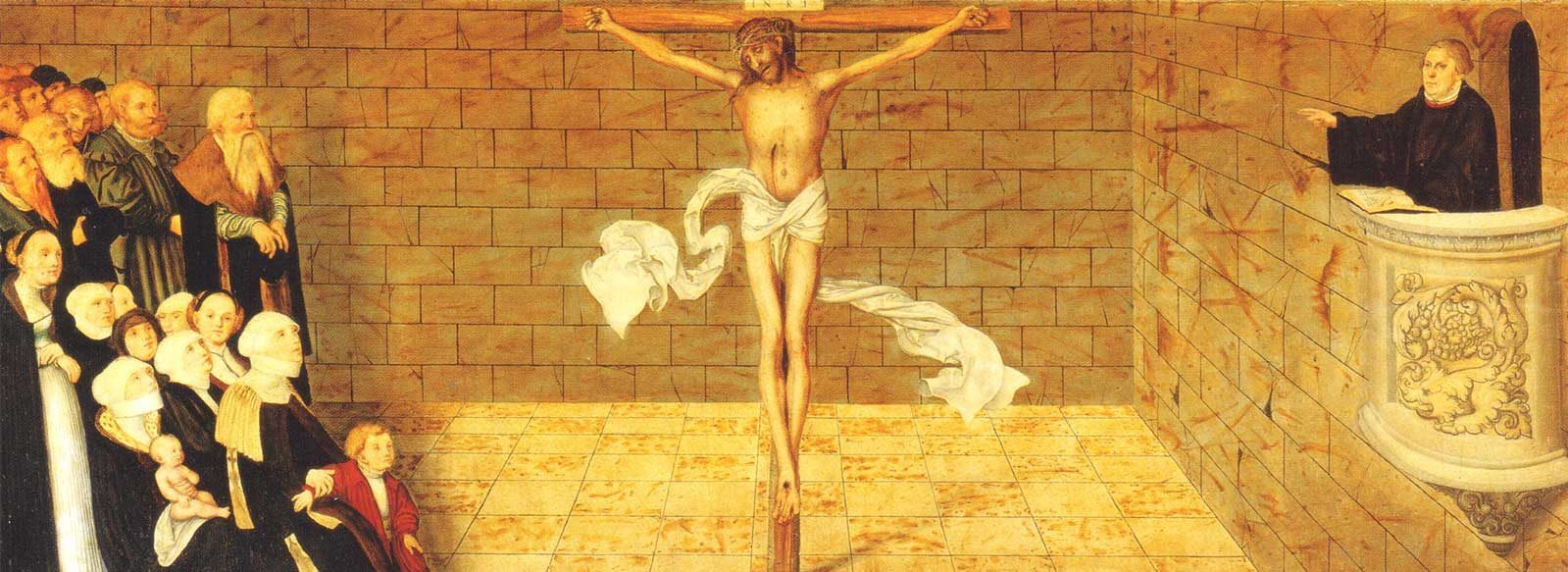
“Those who receive and bear the Spirit of God are led to the Word, that is to the Son. But the Son takes them up and presents them to the Father, and the Father bestows incorruptibility. Therefore one cannot see the Word of God without the Spirit, nor can anyone approach the Father without the Son. For the Son is the knowledge of the Father, and knowledge of the Son of God is through the Holy Spirit. But the Son, in accord with the Father’s good pleasure, graciously dispenses the Spirit to those to whom the Father wills it, and as the Father wills it.” (Irenaeus of Lyon)
“Christian worship is therefore our participation through the Spirit in the Son’s communion with the Father.” (James Torrance)

Introduction
Participation in the life of God is cherished by some as the very goal of God’s Gospel and it's mistrusted by others as a spurious Hellenization of the truth. In the next few posts I will outline a biblical case for divine participation. I'll examine the precious doctrine of union with Christ that brings us such participation, and I'll highlight the work of Christ as Mediator, guaranteeing and grounding the free offer of this relationship.
I want to show that intimacy with God is not an optional extra for the more ‘emotional’ among us. To ‘know’ the Father and the Son is eternal life (John 17:3). When we understand "knowing" in the biblical sense we cannot deny that profound intimacy with God is the essence of our Christian lives. It is not a carrot to be held out for the pious, nor a bonus given in response to particularly ‘successful’ worship. Intimacy is guaranteed to the Christian in Christ. It is therefore the indispensable starting point of the Christian life – not an optimistic goal.
The intimacy of God
Any talk of intimacy with God must begin with the intimacy that is within God. As a community of Persons united in self-giving love, the Triune God knows worship and intimacy within Himself. The creation does not give rise to relationship, rather relationship gives rise to the creation. In other words, the Father creates for the Son (Colossians 1:16). Thus, worship is not the self-willed response of creature to Creator but rather an eternal dynamic within the being of God.
Before the foundation of the world the Father delighted in the Son in the bond of the Spirit. Virtually every verse regarding the pre-creation life of God describes the Father focussing His affections and purposes on the Son: (Prov 8:22-30; John 3:35; 5:20; 17:5, 24; 1 Pet 1:20; Eph 1:4-6; Col 1:15-17; Romans 8:29.)
Likewise the Son, in the power of the Spirit, commits Himself to the service of the Father: John 17:4-5; 5:17; 12:27f; 14:31; 17:24; Hebrews 10:5-7; Revelation 13:8.
The Persons of God commit to one another in a common love and purpose. To use the technical terminology of Trinitarian theology, these inter-relations are referred to as the perichoresis of the Persons. To get a sense of the meaning of this Greek word, think of a choreographed dance around a perimeter. The Trinity is described as performing a round dance, each of the Members committing to the Others in love, service and empowerment. The divine life is a dance of giving and receiving in joyful communion.
Now this dance is not simply something the Persons do. It is not a part-time hobby of the Persons. We must not think of the Persons in isolation, deciding to come together. If we could ever conceive of a time when the Father was not committed to the Son or when the Son was not obedient to the Father we have imagined the Father not being the Father and the Son not being the Son. We have imagined false gods. The Persons are who they are IN the relationships that they share with one another in this dance of love.
To "see" this dance is to witness the divine being. As Colin Gunton says, ‘the ousia – general being – of God is constituted without remainder by what the persons are to and from each other in eternal perichoresis.’
Without Trinity there is no intimacy with God. Without this give-and-take to God's being there would be no room for us to participate. We must say this. But we must say more than this.
Intimacy Earthed
It is not enough to say that "God is a dance" and then expect the worshipper to "link arms and join in." It's not enough to say "God is an intimate community - we should follow suit." We can't just say "There's room to God, come on in." If we did then intimacy with God would be our doing. And it could only ever be as solid as our own feeble hearts.
No, there's better news than that. God does not leave us to make our own way to the party. If He did, then our intimacy would depend on us. It would be about our ability to spiritualize our humanity up to God. But God in Christ does something much more profound. He incarnates His divinity into our humanity. He earths His own intimacy into our very being and raises it back up to the highest heaven.
At Christmas, He moves down into our life. At the ascension, He sweeps us up into His life: really, substantially, eternally, irrevocably. As we'll see in the next post - the triune God does not make participation something that's up to us. The triune God takes the whole intimacy thing into His own hands. And that's the only safe place for it to be.
Next post...


