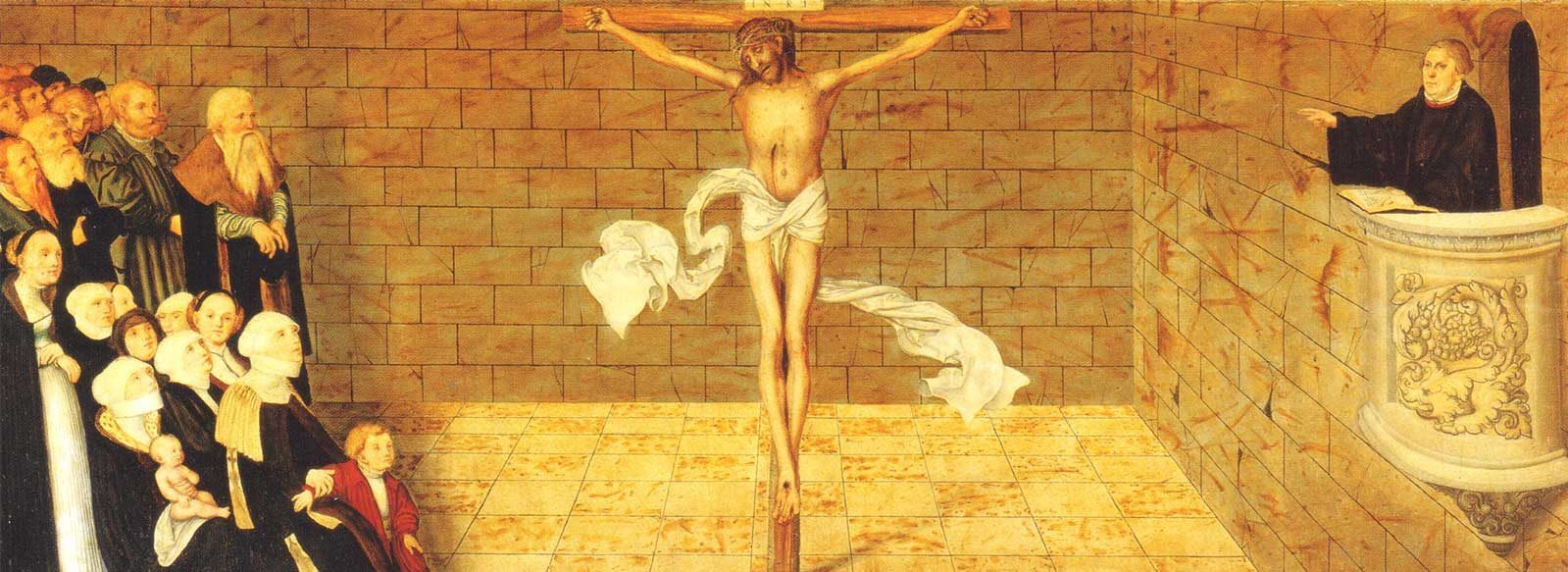
This is a repost of Theology - the end of the process??
Is “systematic theology... the end process of exegesis and biblical theology"?? Ben Myers writes brilliantly against such a conception. To imagine that a pure biblical scholar can dispassionately read off the meaning of the Bible through the use of objective interpretive tools is ludicrous. To imagine that then the systematic theologian comes to co-ordinate these propositions into a logically cogent order is similarly misguided. As Myers says 'It's theology all the way down.' Theological pre-suppositions and commitments necessarily guide and shape all Christian activity from exegesis to exposition to pastoral work, to evangelism to hospitality to everything.
And yet the idea that the Bible can be neutrally read is so tempting. We would love to conceive of revelation as propositions deposited in a handy compendium simply to be extracted and applied. Yet the Word is a Person. And His book is Personal (John 5:39). It's not something we judge with our double edged swords - the Word judges us. (Heb 4:12)
Now Jesus thought the Scriptures were absolutely clear. He never made excuses for theological error. He never gave even the slightest bit of latitude by conceding a certain obscurity to the Bible. He never assumes that His theological opponents have just mis-applied an interpretive paradigm. If they get it wrong He assumes they've never read the Scriptures (e.g. Matt 21:16,42; Mark 2:25)! So the perspicuity of the Bible is not in dispute.
But Jesus tells the Pharisees why they get it wrong - "You are in error because you do not know the Scriptures or the power of God." (Matt 22:29) And, again, "You diligently study the Scriptures because you think that by them you possess eternal life. These are the Scriptures that testify about me, yet you refuse to come to me to have life." (John 5:39-40) They are wrongly oriented to the Power of God and the One of Whom the Scriptures testify - Jesus. This is not simply a wrong orientation of the intepreter but of the interpretation. Scripture reading must be oriented by the Power of God to the Son of God. Within this paradigm - a paradigm which the Scriptures themselves give us - the Bible makes itself abundantly clear.
But this paradigm is an unashamedly and irreducibly theological one. It is the result of exegesis (e.g. studying the verses given above) but it is also the pre-supposition of such exegesis. Theology is not the end of the process from exegesis to biblical studies and then to the systematician!
And yet, I have often been in discussions regarding the Old Testament where theologians will claim an obvious meaning to the OT text which is one not oriented by the Power of God to the Son of God. They will claim that this first level meaning is the literal meaning - one that is simply read off the text by a process of sound exegesis. And then they claim that the second meaning (it's sensus plenior - usually the christocentric meaning) is achieved by going back to the text but this time applying some extrinsic theological commitments.
What do we say to this? Well hopefully we see that whatever 'level' of meaning we assign to the biblical text it is not an obvious, literal meaning to be read off the Scriptures like a bar-code! Whatever you think that first-level meaning to be, such a meaning is inextricably linked to a whole web of theological pre-suppositions. The step from first level to second is not a step from exegesis to a theological re-reading. It is to view the text first through one set of pre-suppositions and then through another.
And that changes the direction of the conversation doesn't it? Because then we all admit that 'I have theological pre-suppositions at every level of my interpretation.' And we all come clean and say 'Even the basic, first-level meaning assigned to an OT text comes from some quite developed theological pre-commitments - pre-commitments that would never be universally endorsed by every Christian interpreter, let alone every Jewish one!' And then we ask 'Well why begin with pre-suppositions which you know to be inadequate? Why begin with pre-suppositions that are anything short of 'the Power of God' and 'the Son of God'? And if this is so, then why on earth do we waste our time with a first-level paradigm that left even the post-incarnation Pharisees completely ignorant of the Word? In short, why don't we work out the implications of a biblical theology that is trinitarian all the way down? Why don't we, at all times, read the OT as inherently and irreducibly a trinitarian revelation of the Son?
.


